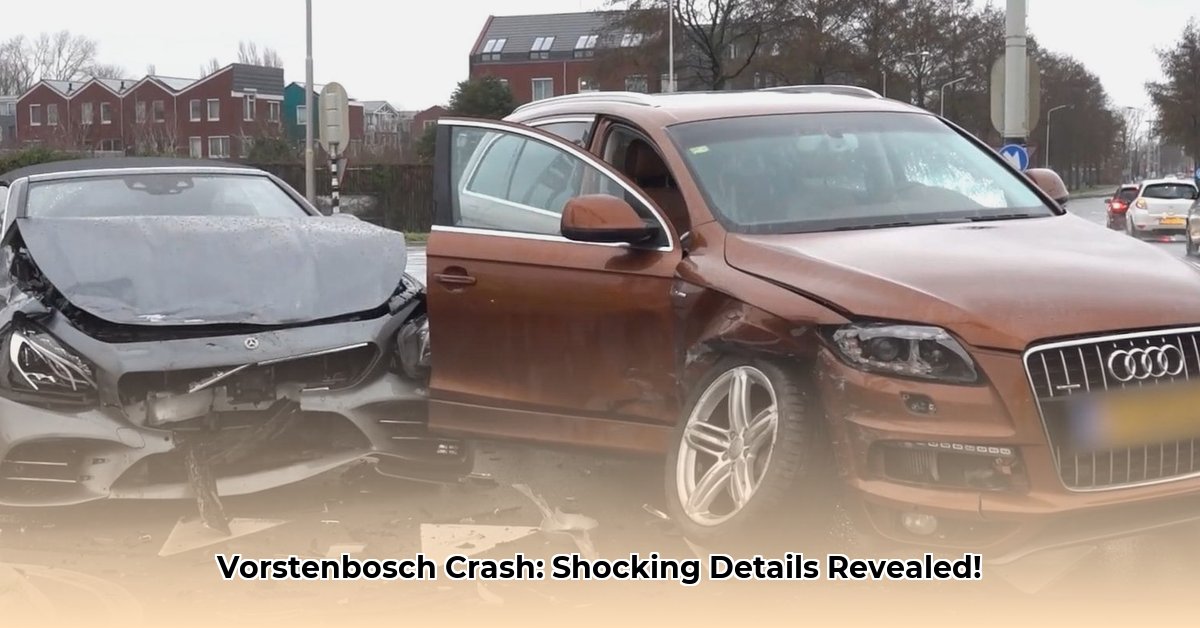
The recent cycling accident on the Oude Veghelsedijk, tragically dubbed the "Ongeluk Vorstenbosch," demands immediate and sustained action to improve cycling safety in the area. A cyclist suffered serious injuries, highlighting the vulnerability of bike riders on our roads. This article examines the incident, explores potential contributing factors, and proposes actionable steps to prevent future tragedies. While a full investigation is underway, this analysis aims to stimulate crucial conversations and foster a commitment to safer cycling infrastructure and practices.
Understanding the Ongeluk Vorstenbosch
The Ongeluk Vorstenbosch involved a serious cycling accident resulting in significant injuries requiring helicopter rescue. The exact circumstances remain under investigation, but preliminary reports suggest a collision between a cyclist and a motor vehicle. Crucial information still needs to be gathered: the time of day, road conditions (including lighting), visibility, the cyclist's clothing and gear, and the driver's actions. This lack of detail underscores the immediate need for a comprehensive probe. Without thorough analysis, we're left speculating about contributing factors. But even now, the gravity of the situation calls for immediate action.
Potential Contributing Factors: A Preliminary Analysis
Several possibilities could have contributed to the Ongeluk Vorstenbosch. Insufficient road infrastructure, poor lighting particularly in low-light conditions, inadequate signage warning drivers of cyclists, and driver behaviour are all potentially significant factors. Were there sufficient, well-maintained cycle lanes? Did the road marking adequately signal cyclist presence? Was the driver distracted or driving too fast? All of these require in-depth analysis. It's vital to acknowledge that until we have complete data, our understanding will remain partially speculative. But this uncertainty shouldn't paralyze us; we must act based on what we already know.
Stakeholder Responsibility: A Call for Action
Improving road safety for cyclists is a shared responsibility. Various stakeholders must play their part, from immediate interventions to long-term strategies. Here's a breakdown:
| Stakeholder | Immediate Actions (This Year) | Long-Term Actions (Next 3-5 Years) |
|---|---|---|
| Vorstenbosch Municipality | Full investigation of Ongeluk Vorstenbosch. Immediate road safety improvements at the accident site, including improved signage and lighting. Enhanced traffic monitoring. | Comprehensive road safety audit of all cycling routes. Implementation of dedicated, protected cycle lanes; improved traffic calming measures. Development of a long-term cycling strategy and road safety plan. |
| Emergency Medical Services | Review response times and protocols for cycling accidents; optimize emergency procedures, ensuring efficient cyclist-specific care; improve inter-agency communication. | Invest in advanced training and equipment. Enhance emergency response infrastructure, particularly for cycling accident scenes, with the aim of reducing response times and improving patient outcomes. |
| Cyclists in Vorstenbosch | Wear bright clothing and helmets; follow all traffic rules; exercise extra caution, especially in periods of low visibility; participate in community safety initiatives. | Advocate for safer cycling infrastructure; promote road safety awareness campaigns. Lobby the municipality for improvements and form a representative cyclist body to facilitate communication. |
| Motorists in Vorstenbosch | Drive attentively and cautiously, giving cyclists ample space, especially in areas where cyclists are known to traverse; observe speed limits; avoid distractions. | Participate in driver education programs promoting shared road use and cyclist safety. Understanding cyclist vulnerability and adapting driving behaviour accordingly. Regular driver training refreshes. |
Recommendations for Improvement: A Roadmap to Safer Cycling
The Ongeluk Vorstenbosch demands a multi-faceted response. We need a plan that addresses the immediate concerns while laying the groundwork for sustainable improvements. We propose the following steps:
Comprehensive Data Collection: Detailed records of all past and future cycling accidents in Vorstenbosch are crucial. This will enable a thorough risk assessment and identify high-risk areas.
Benchmarking and Comparative Analysis: Comparing Vorstenbosch's cycling accident rates with similar municipalities will help determine whether the town faces an exceptionally dangerous situation for cyclists.
Infrastructure Upgrades: A comprehensive assessment of existing cycling infrastructure is needed, with a focus on potential improvements such as dedicated cycle paths, improved lighting, and enhanced signage.
Community Engagement and Participation: Public forums and consultations are paramount. This collaborative approach will foster a sense of shared responsibility and ensure that the community’s voice is incorporated into decision-making.
Conclusion: Building a Safer Vorstenbosch
The Ongeluk Vorstenbosch is a tragic reminder of the need for immediate and substantial improvements to cycling safety in Vorstenbosch. By implementing the recommendations above, combined with a continued commitment to community engagement and stakeholder collaboration, we can collectively create a safer environment for cyclists and all road users. There is much work to be done, but a safer Vorstenbosch is within our reach. Let's act now to prevent future tragedies.